
001-002-00000
care@solaceandmore.com
woodvale Street 2
Nairobi westland
8:00am - 5:00pm
Monday-Friday
Operations, Logistics and Environmental Jobs in the Funeral Service industry

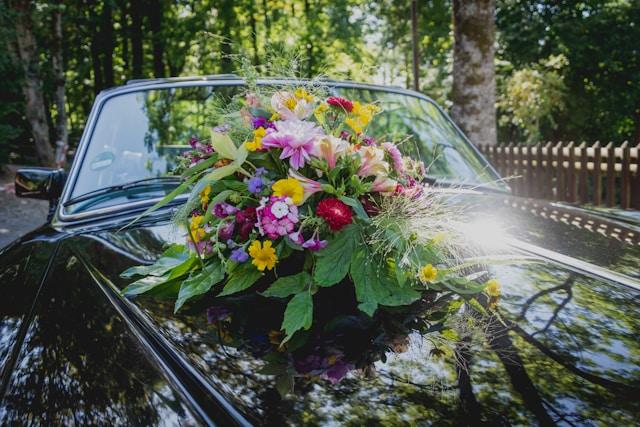
When it comes to what makes a funeral run smoothly, it's not uncommon to focus solely on the funeral director and embalmer. The different support roles may seem invisible at first glance. But they represent the essential infrastructure that allows every service to proceed with dignity.
Body Removal Technicians
Body removal technicians serve as the first responders when death occurs. They transport deceased individuals from homes, hospitals, accident scenes, or facilities to funeral homes - often arriving within hours of death.
This entry-level position requires physical strength to lift and manoeuvre bodies, a clean driver's license, and emotional composure during sensitive situations. You might begin with just secondary education completed. There's no specialised licensure required, making it an accessible starting point for those considering the funeral industry.
But don't mistake "entry-level" for "easy." The work involves irregular hours and on-call availability because death doesn't respect business hours. You might get called at 2 AM to a home where an elderly person died peacefully, or to an accident scene where circumstances are traumatic.
Funeral Home Drivers
While body removal happens in private, funeral home drivers perform their work in full public view. They conduct funeral processions, transport deceased individuals and family members between locations for services and burial, and maintain vehicles in pristine condition.
The role requires technical driving skills combined with appropriate solemnity. You're piloting a hearse or limousine through city streets, managing processions that must proceed smoothly despite traffic and weather. Livery services appear in around 70% of funeral processions globally.
Drivers must maintain vehicles meticulously. Families notice every detail. A dirty windshield or unkempt interior disrupts the reverence they're seeking.
Green Burial Coordinators
The global green funerals market reached USD 2.3 billion in 2024 and is expected to hit USD 6.7 billion by 2034. Green burial coordinators stand at the forefront of this environmental transformation in death care.
These specialists manage natural burial options, source native plantings, place natural stone markers, and coordinate memorial ceremonies in conservation areas. The number of green burial sites worldwide increased over 50% from 2018 to 2022. In Germany, over 50% of new funeral homes now adopt eco-friendly operations.
The work requires understanding certification requirements and educating families about biodegradable caskets, shrouding techniques, and burial in conservation areas. But this role goes beyond technical knowledge. You're selling environmental philosophy alongside funeral services.
Funeral Service Operatives
These entry-level positions offer exposure to everything funeral homes do. Operatives transport caskets, set up funeral rooms, maintain buildings, drive hearses, arrange flowers, greet guests, and manage remembrance cards. They determine who attends graveside services and often serve as ushers.
The position requires no specialized licensure, making it ideal for those considering the funeral industry. You learn by doing—shadowing experienced professionals, taking on increasing responsibility as you demonstrate competence and reliability.
It's physically demanding work with long hours, especially during busy periods. But for people drawn to funeral service who aren't sure which specialization interests them, this role provides invaluable breadth of experience.
Funeral Florists
Floral designers create appealing displays for funeral services, working with funeral homes or families to arrange tributes. Understanding the symbolic meaning of flowers helps create arrangements that communicate specific sentiments - white lilies for restored innocence, chrysanthemums for mourning, roses for love.
The work requires both technical design skills and cultural knowledge. Different traditions assign different meanings to flowers and colours. What feels appropriate in one cultural context might seem inappropriate in another.
You're translating grief into botanical language, helping families express feelings they can't articulate verbally. The arrangements you create become part of how people remember the service.
Funeral Caterers
Food provides comfort during difficult times. Funeral caterers prep, cook, serve food, and set tables for funeral receptions, working closely with service personnel and managers. The role requires both culinary skills and sensitivity to understand that these meals carry emotional weight beyond nutrition.
You're nourishing bodies exhausted by grief. Many people at funeral receptions haven't eaten properly in days, running on adrenaline and shock. The food you provide offers a moment of normalcy.
Funeral meals often reflect cultural traditions - specific dishes that hold meaning for particular communities or families. Caterers must understand these customs, prepare food that honours them, and serve with appropriate solemnity.
Cemetery Caretakers
These professionals maintain cemetery grounds, ensuring the property remains dignified and peaceful. Responsibilities include lawn maintenance, grave opening and closing, marker installation, and landscaping. You balance physical outdoor work with respect for sacred space.
The setting is tranquil; the work is continuous. Grass grows, leaves fall, weather damages markers, and new burials require fresh graves. Caretakers work largely invisible to visitors.
There's something meditative about cemetery work. You're tending a landscape full of stories, maintaining dignity for people you'll never meet, ensuring families find their loved ones' graves well-kept and honored.
Funeral Home Cleaning Specialists
Often overlooked, these professionals maintain the spotless environment families expect. They handle specialised cleaning of preparation rooms, ensure chapel and viewing areas are pristine, and manage unique requirements of facilities handling biological materials.
The work requires understanding biohazard protocols and disinfection procedures. You're not just tidying - you're ensuring safety, preventing contamination, and maintaining the clinical standards required when working with human remains.
Families notice cleanliness even if they don't consciously register it. Spotless facilities communicate respect and professionalism. Conversely, any hint of dirt or disorder undermines the dignity families desperately need.
Digital Memorial Specialists
Almost two in five people globally are interested in creating or having loved ones create a digital memorial page. Digital memorial specialists manage online tribute platforms, help families create multimedia presences, and coordinate virtual funeral services through live-streaming.
Use of digital memorialisation services increased approximately 40% from 2020 to 2023. The global funeral services market grew from USD 70.31 billion in 2024 to USD 74.95 billion in 2025, with virtual memorials driving investment opportunities.
These professionals need technical skills in website management, video production, and social media alongside sensitivity to grieving families' needs. You're building digital legacies that outlive physical memorials.
Funeral Videographers
While photographers capture still moments, videographers record entire services and produce tribute films. They manage live-streaming for distant relatives, edit memorial videos combining photos and video clips, and create lasting digital records of ceremonies.
The role requires videography expertise, editing skills, and understanding of funeral protocols. You might arrive early to set up discreet cameras, test audio levels, and coordinate with funeral directors about family preferences. Some families want simple livestreams, others want professionally edited tribute films with music and narration.
Funeral Photographers
These specialists capture services, create memorial portraits, and document ceremonies with sensitivity and discretion. They photograph the deceased for family keepsakes, capture floral arrangements, record attendees, and create visual records families will treasure for generations.
You must be invisible when families need privacy, yet present for significant moments. Some families want photographs of the deceased in the casket - images that help with acceptance and remembrance.
Funeral photographers work quietly, using natural light when possible, avoiding disruptive flash photography during services. You're documenting one of life's most sacred transitions, creating memories for people who may be too overwhelmed to fully register what's happening.
Funeral Home Technology Coordinators
Funeral homes increasingly adopt software to centralize documentation, automate obituary publishing, and handle pre-need arrangements. Technology coordinators implement these systems, train staff, and troubleshoot issues.
They integrate CRM tools, payment gateways, inventory tracking, and digital booking systems. Funeral industry automation and AI integration is projected to reach USD 1 billion globally. The role bridges traditional death care and modern efficiency.
Many funeral professionals come from generations-old family businesses where paper records and personal relationships governed everything. Introducing digital systems requires technical expertise combined with change management skills.
Explore More Funeral Service Careers
Want to explore different specializations? Learn about Client-Facing & Ceremonial Roles in Funeral Service featuring funeral directors, celebrants, and chaplains. Discover Technical & Preparation Specialists covering embalmers, crematorium technicians, and body preparation experts. Or check out Specialised Medical, Legal & Artisan Roles for careers in death investigation, monument carving, and funeral home management.
Taking Control of Operational Careers
Understanding the nuances between these operational roles reveals how complex funeral service truly is. Whether you're drawn to the physical work of cemetery maintenance or the digital innovation of online memorials, having a basic understanding of how these positions interconnect helps you find your place in this evolving field.
These roles may not be glamorous, but they're absolutely essential. Funeral directors and embalmers can't function without reliable transportation, pristine facilities, beautiful flowers, nourishing food, and maintained grounds. The work is demanding and often invisible.
By familiarising yourself with these operational specializations, you can make more informed decisions about where your skills fit within the infrastructure of dignity. For those drawn to funeral service but not interested in direct body preparation, these roles offer meaningful ways to serve families.
On this page
- The Infrastructure of Dignity
- Body Removal Technicians
- Funeral Home Drivers
- Green Burial Coordinators
- Funeral Service Operatives
- Funeral Florists
- Funeral Caterers
- Cemetery Caretakers
- Funeral Home Cleaning Specialists
- Digital Memorial Specialists
- Funeral Home Technology Coordinators
- Explore More Funeral Service Careers
- Taking Control of Funeral Operational Careers


.jpg&w=1080&q=75)
.jpg&w=1080&q=75)








Solace & more Newsletter
Losing someone you love changes everything. In the midst of grief, it's easy to forget to care for your own well-being. That's why we've put together a few simple, nourishing recipes—to support your body while your heart heals. Join our weekly grief care newsletter for comforting recipes, gentle guidance, and reminders that healing takes time — and you don't have to go through it alone
You may also like
What to Write in a Condolence Book: 30+ Examples & Complete Etiquette Guide
If grief had a guestbook, this is how you sign it.
Read More
Coffin vs Casket: What's the Real Difference?
Confused about coffins vs. caskets? Get clarity on designs, costs (from $400 to $15,000+), and cultural traditions. Learn how to choose respectfully and avoid funeral home upsells. Trusted by families worldwide.
Read More
Client-Facing & Ceremonial Jobs in the Funeral Service Industry
Death is a part of life, and the careers around it are more varied than you think. From Funeral Directors to Celebrants to guiding families in crisis to creating personalised ceremonies
Read More
Technical & Preparation Specialists in the Funeral Service Industry
Behind every goodbye are professionals most people never meet. From embalmers and thanatopracteurs to cremation and composting technicians, these roles blend science, art, and empathy to prepare loved ones for farewell.
Read More
A Three-Step Guide to Sorting a Deceased Loved One's Personal Belongings
Explore ways to honor a loved one through the things they left behind.
Read More
How to Plan a Meaningful Funeral for Your Child
Practical guidance for planning a child's funeral after stillbirth, infant loss, or the death of an older child. Includes burial vs. cremation advice, cost considerations, and global support resources.
Read More
10 Best Grief Support Apps That Actually Help (2025 Review)
Apps that give you comfort during your grieving period
Read More
How to write the perfect obituary, according to funeral industry professionals
Why do some obituaries capture the heart? There’s nothing quite so moving as an obituary that truly captures and honours the spirit of the deceased.
Read More
Do Banks Automatically Know When Someone Dies? Here’s the Truth
How do banks know that their client has died?
Read More
How to Choose a Keepsake That Honours Both Grief and Love
Ideas for gifts after loss
Read More
How to Choose a Grief Counselor: Steps, Questions & Support Options
Choosing the right grief counselor isn’t just about credentials. Here’s how to make the choice with clarity and confidence.
Read More
What Happens to Us When a Father Dies? The Psychology of Parental Loss
Dealing with loss of a father and when to reach out for support
Read More
Why Pre Loss Planning Matters More Than You Think
Pre-Loss Planning: A Loving Guide to Saying Goodbye with Clarity
Read More
Understanding Suicidal Ideation
Learn the difference between passive and active suicidal thoughts, how common they are worldwide, and why early support matters.
Read More
Grieving After a State Execution: What Families Face and Where to Find Help
Learn how families can cope, honor their loved ones, and find healing in the face of death penalty grief.
Read More
Grieving A Baby the World Never Met - Understanding Miscarriage.
Miscarriage is a devastating loss, not a personal failure
Read More
What Is Swedish Death Cleaning? Explained
Because one day, someone else will open your drawers.
Read More
Talking About Money When Someone Dies: A Faith-Based Perspective
Why are money conversations still taboo in faith spaces, especially when someone is dying?
Read More
Can a Funeral Be a Protest? When Grief Turns into a Movement
Signs of defiance on a brick wall: ‘Justice 4 All’ and ‘I Want to Be Heard’—silent protests turned into loud demands for dignity and change.
Read More
Your email is safe with us, we do not spam! Unsubscribe at any time.